
Beyond Life Coaching
Conversational Change Coaching
Meaningful change often begins when we look beyond the story of a problem and become curious about what has been keeping it in place.
My approach as a Conversational Change Coach focuses on the underlying patterns shaping how we think, feel and respond to the world around us. Much of our behaviour happens automatically, influenced by familiar ways of interpreting experiences, responding to pressure and navigating uncertainty. Over time, these patterns can become so familiar that we barely recognise them.
Through conversation, we begin to explore how those patterns are organised and what happens when something within that structure begins to shift. Rather than relying on willpower, positive thinking or repeatedly analysing the problem, the focus moves towards creating the conditions for a different response to emerge. When the underlying pattern changes, what once required conscious effort can begin to happen naturally.
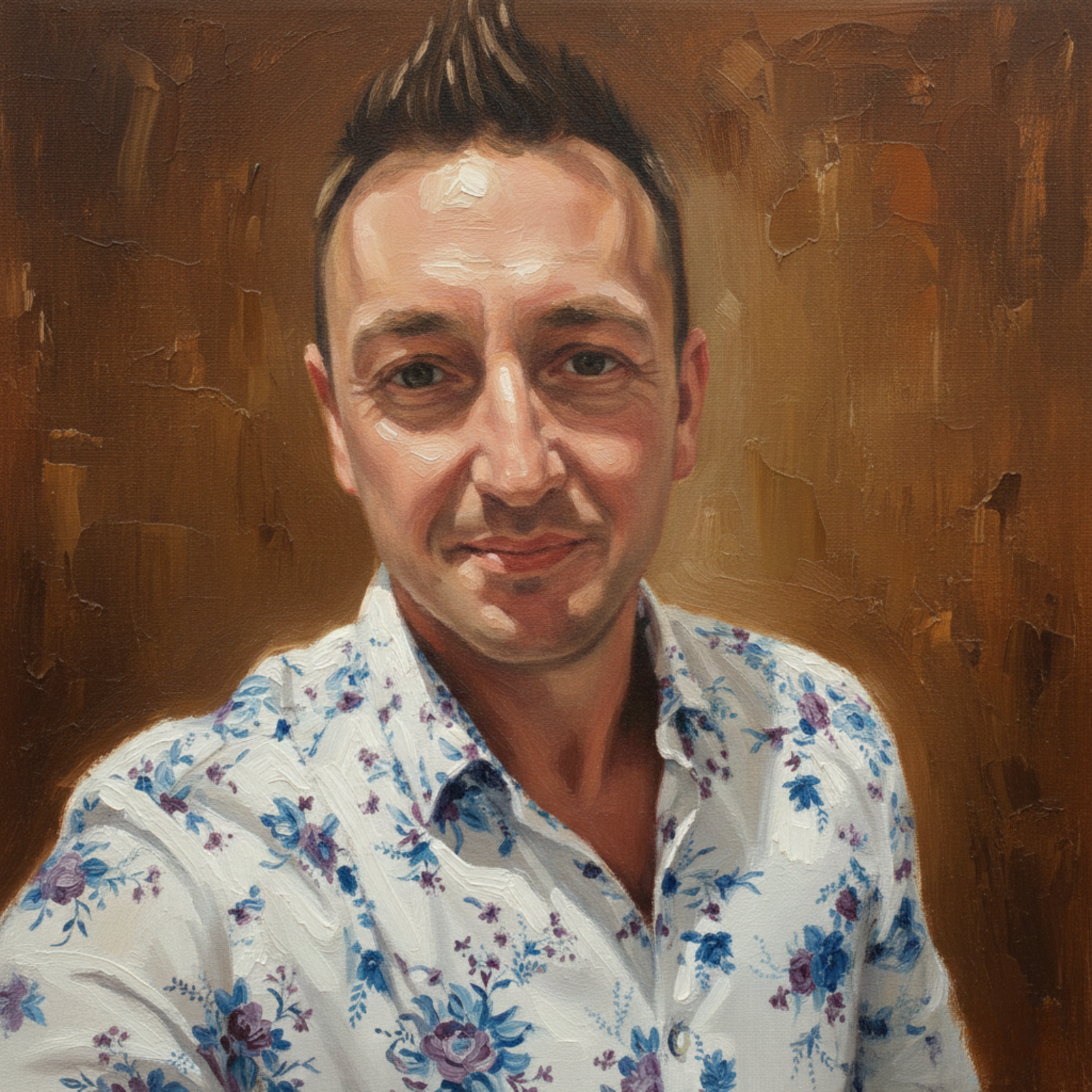
David Fenwick
UNDERSTANDING WHAT KEEPS
YOU STUCK

Sometimes we know exactly what we want to change, yet find ourselves returning to the same familiar patterns. We might understand the problem, recognise what needs to happen and even make a conscious decision to move forward, only to discover that something keeps pulling us back into old ways of thinking, feeling or responding.
These patterns often operate outside our conscious awareness. They influence where our attention goes, how we interpret situations and the choices that seem available to us. What feels like resistance, self-sabotage or a lack of motivation may actually be a familiar internal response that has developed over time. Understanding how that response is organised can open up possibilities that were previously difficult to recognise.
Conversational change creates an opportunity to explore these patterns differently. Rather than forcing ourselves to think positively, overcome resistance or continually push against what feels difficult, we begin to work with the underlying structure of the experience itself. As those patterns begin to shift, new perspectives and responses can become available, allowing change to feel more natural and less dependent on conscious effort.
Deeper, Practical Reflection
Understanding ourselves at a deeper level can change how we experience the world around us. Many of the difficulties we encounter in life and work are influenced by patterns that have become so familiar we no longer recognise them. They shape how we respond to pressure, interpret situations, make decisions and interact with others, often without our conscious awareness.
Through conversational change, we begin to explore the relationship between our thoughts, emotions, language and nervous system responses. This deeper reflection helps bring previously unnoticed patterns into awareness, creating opportunities to experience familiar situations from a different perspective. Sometimes, a subtle shift in how we perceive something can change our relationship with a problem that once seemed difficult to move beyond.
The practical value of this work becomes apparent in everyday life. As familiar responses begin to change, situations that previously triggered frustration, hesitation or internal conflict may become easier to navigate. Decisions can feel clearer, relationships can become less reactive, and moving towards personal or professional goals can require less internal effort. The aim is to create changes that become part of how you naturally think, feel and respond, rather than something you must continually remind yourself to practise.

Shifting Old Patterns

Some patterns become so familiar that they begin to feel like part of who we are. Whether it’s overthinking, self-doubt, procrastination or responding to pressure in the same familiar way, we can find ourselves repeating behaviours even when we consciously recognise that they are no longer serving us. The harder we try to change them through willpower alone, the more frustrating the experience can become
These patterns are maintained through the way we organise our internal experience. Our thoughts, emotions, language, attention and nervous system responses interact to create familiar ways of responding to situations. Through conversational change, we explore how these responses are occurring in the present moment, allowing previously automatic patterns to become more flexible and opening up possibilities for responding differently.
As the underlying patterns begin to shift, experiences that once triggered familiar reactions may start to feel different. What previously required considerable conscious effort can become easier to navigate, creating greater freedom in how we think, feel and act. The aim is to develop a more flexible internal baseline, where clarity, choice and responsiveness become increasingly available in everyday life.
Over a Decade of Immersion in Change-Work
My background spans over a decade of dedicated study and practical exploration into how people think, behave and change. I am a certified NLP Coach and Hypnotist through the Tad James Co and a Master Practitioner of Humanistic Neuro-Linguistic Psychology (HNLP) with over 2,500 hours of immersive training. These foundations have shaped my understanding of the relationship between language, perception, unconscious patterns and the nervous system.
Throughout this journey, my focus has progressively moved towards the deeper structures that organise human experience. How we interpret events, where our attention naturally goes, the meaning we assign to situations and the automatic responses that develop over time all contribute to the way we experience ourselves and the world around us. Understanding these relationships provides a valuable foundation for exploring change beyond conscious insight alone.
My approach to conversational change is grounded in careful listening, observation and an appreciation of the subtle ways people communicate their internal experience. The words someone chooses, the distinctions they make, the patterns they repeat and the shifts in their emotional and physiological responses can all provide useful information about how their experience is being organised. Often, the most meaningful opportunities for change emerge through noticing something that has previously remained outside conscious awareness.
I intentionally maintain a calm, considered and professional approach to coaching. Rather than relying on motivational intensity, pressure or predetermined scripts, I focus on creating an environment where conversations can unfold naturally while remaining purposeful and directed. Each person brings a different history, perspective and internal organisation, and effective change work requires the flexibility to respond to what is actually happening rather than imposing a rigid process.
This depth of understanding allows me to approach personal and professional challenges with curiosity, precision and respect for the individual. Whether someone is navigating persistent self-doubt, internal conflict, difficult decisions, leadership pressure or familiar patterns that continue to limit their progress, the focus remains on understanding what is maintaining the experience and exploring how it can begin to change.
At the centre of my work is a simple principle: meaningful change becomes possible when we begin to recognise and shift the patterns shaping our experience. My role as a Conversational Change Coach is to facilitate that process through thoughtful, focused conversation, helping people develop greater clarity, flexibility and choice in how they move forward in their lives and work.
Ready to
move
beyond
standard coaching?
let’s have a conversation.